
 EN
EN
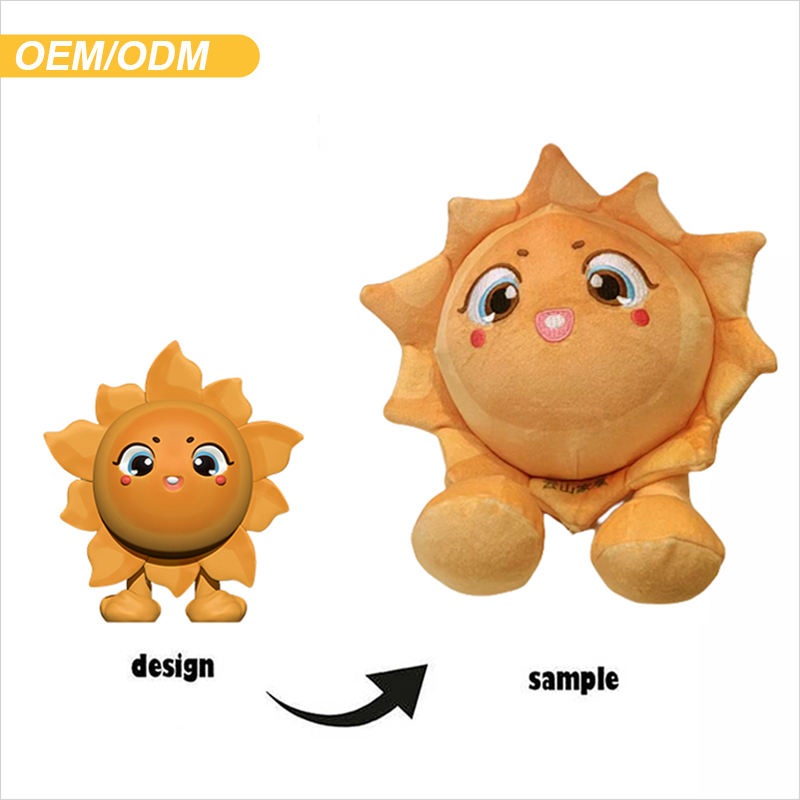
Plush toy making is fun, but it can effect the Earth if you do not take care. Factories that manufacture these soft toys are beginning to consider how they can protect nature even as their toys remain both safe and cushy for kids. By using materials that aren’t bad for the environment, and changing how they work, the planet remains tidy. We’re looking into that a lot at Kinqee, and we want to share how plush toy factories can be kinder to the Earth. Here’s where we take a look at how factories turn these green ideas into reality and where you can find plush toys that are made from good materials, actually help nature out.
How Green Practices Improve the Quality of Your Wholesale Plush Toy Factory
Factories, including some like Kinqee that produce a lot of plush toys, are revising the ways they work to be more environmentally friendly and better for the people who buy the toys. Trying to use materials that are natural-based or that can biodegrade instead of plastics, which end up sitting in landfills for many years, is one big thing. For instance, some toys are filled with cotton that has been grown without chemicals or stuffing made from recycled plastic bottles. This not only keeps trash out of the environment, but it also makes the toys safer for little ones as there are less bad chemicals on the inside. Factories, too, try to waste less. They’re more careful in cutting fabrics so there’s less left over, and small pieces of fabric can be up-cycled into other products rather than thrown away. Machines in the factory are routinely configured to use less electricity or water, which prevents the factory from drawing too much power and saves resources. Care about the materials, care about the processes so every toy is well made and harmless for the planet. Occasionally, factories put in systems to clean the air or water before they leave factory so pollution is lower. Kinqee feels that these steps not only make the toys “softer, safer” but also will last longer, as they are made with care and better materials. It may cost a little more in time or money, but it’s how customers know they are getting toys they can trust, and keeping the Earth healthier. And a few factories try to reuse packaging or use boxes made of recycled paper. This also cuts down on waste outside the factory. When factories think this way the whole process feels better and that shows in the quality of the toys, she said. “It’s almost like the toys are imbued with a kind of kindness, in the way in which they are made and the moment that they reach a child,” Small said.
Where to Get Wholesale Plush Toys Made from Organic and Recycled Products
If you are looking for plush toys that are good for the Earth, it helps to know where to start. Kinqee A number of plush toys from Kith’s children brand, Kinqee, are made with organic cotton and recycled stuff. Organic cotton refers to how the cotton was grown, without toxic chemicals or pesticides, preserving soil and water. Toys crocheted from this cotton feel soft and have a natural touch, not scratchy or smelly in strange ways. Recycled materials generally come in the form of plastic bottles or old fabrics that are cleaned and then turned into fluff for stuffing, or threads for the outside coating of a toy. That way, plastic that otherwise might have found its way to the ocean or dumps gets a second life. When shopping for these toys, consider if the factory or seller provides information about what materials they are made from. There are several good places that share stories about how the toys are made, what materials they use and how they keep the planet safe. Realistically speaking, Kinqee’s website and catalog lay out these details for potential buyers to know just what they are getting. Once in a while, organic and recycled toys cost a little extra, but it is worth it because they are less damaging and more long-lasting. Many earth-friendly toys, too, are tested to ensure that they won’t leach harmful chemicals and are easily washable. Stores or wholesalers that specialize in sustainability may have certifications or labeling provided to show the toys are in compliance with certain green standards. By selecting toys that are made in this manner, you enable factories to continue doing good work and make it easier for more companies to choose nature-friendly options. It’s not just a matter of the cute, cuddly toy, but something that plays into a cleaner, kinder world. You may have to look for these toys, but places such as Kinqee make the calling clear by providing environmentally friendly options. Ordering in volume from such factories, you get good prices, and help broadcast the message that stuffed animals can be soft, fun and green as well.
How to Check if Unstuffed Animals Wholesale Manufacturers Own Sustainability Certifications
They are nice to the planet. If you’re shopping for custom plush toys in bulk, it’s a good idea to know whether the toys have been made in a way that is beneficial to the planet. This is called sustainability. An easy way to find out if a stuffed toy factory is eco-friendly is to see if it has sustainability certifications. These certificates are a bit like awards that tell you a company is obeying rules to keep nature and people safe. But how can you confirm whether these certificates are Bonafide and trustworthy?
First of all, you need to ask the supplier for evidence of their certificates. This could be a paper or digital document that shows the name of the certificate and when it was awarded. Do make sure the certificate comes from a reputable group that monitors factories and sees to it that they adhere to eco-friendly rules. Should you purchase from Kinqee, we can assist in helping you view these certificates. We want to be transparent and not keep our green practices in the closet.
Next, you can check over the website of the group that issued the certificate. A number of groups do make the list of companies they have vetted. This helps tell you if the certificate is real. Some certificates, for instance, indicate they are made with recycled materials or save water and energy when making toys in the factory. Kinqee ensure that works only with good certification suppliers. This is how we help save the Earth.
And finally, if you really want to be sure, ask for a factory tour. Some suppliers even accept visits from buyers to view how the toys are manufactured. This is a golden opportunity to check whether the factory uses harmless materials does not cause environment pollution. Kinqee is proud our fans are happy to come meet us and see how we nurture nature creating value soft plush cuddly toy for all.
With careful examination of sustainability certifications, you can opt for plush toys that are good for the planet. “It helps make the world cleaner and safer for all kids and animals. When you purchase from Kinqee, you receive toys designed with love for kids and the planet.
How Green-Friendly Packaging Is Boosting the Appeal of Wholesale Plush Toy Products
When you purchase a lot of plush toys from a wholesale supplier such as Kinqee, how the toys are packed is very important. Packaging is the boxes, bags or wraps that contain the toy before they reach the store or home. Eco-friendly packaging does not mean that the boxes or bags are made with environmentally unfriendly materials. Any toy or plush toys can become in no time much more popular with such a kind of packaging loved by customers.
Environmentally friendly packaging may be constructed with recycled paper, cardboard or even biodegradable plastic. These very materials tend to decompose shortly after you drop them, and do not spend a long time in dusty landfills. When customers see a toy that comes in eco-friendly packaging, they feel happy for knowing their purchase helps cut down on trash and protect animals and plants. Kinqee takes ecological packaging for all the plush toys that we do. To the world you may be one person, but to one person you are the world!
On the bright side, eco-friendly packaging can be very creative and actually nice looking. Companies like Kinqee can print lovely designs right on the recycled boxes with safe, water-based inks. That makes the toys look fun and special, while also keeping the planet safe. Stores that carry plushies in decent packaging tend to sell more of them - and it’s a smart way for the business to grow.
Eco-friendly packaging also contains less plastic and fewer toxins. In other words, less pollution of the air and water. Kinqee struggles to select packaging that preserves the toys during delivery, without harming nature. It also makes customers feel good about their purchase to know that the packaging is easy to recycle or compost. Printer they know that by throwing the packing in the correct bin, there is something they can do to help the earth.
In other words, when stuffed animals are sold in eco-friendly packaging they become more appealing to folks who care about the planet. It helps Kinqee and other suppliers sale more toys meanwhile protect our gorgeous world clean and green. Smart packaging is one giant step to ensure that fun toys and a healthy Earth can be compatible.
What Are The General Problems Of Plush Toy Factory Introducing Sustainable?
Plush animal plants want to do their part for the planet by being environmentally friendly. But creating toys in an environmentally friendly manner can be difficult. There are plenty of challenges, or problems, that factories meet when they aim to become green. It’s these challenges that help companies like Kinqee find alternative ways to take care of the Earth and yet still get to make soft, cuddly toys.
The cost is a big hurdle. Eco-friendly materials like organic cotton or recycled stuffing and water bottles, for example cost more money to create than standard materials. Factories must purchase special fabrics and adhere to strict guidelines, which can raise the price of making toys. For businesses like Kinqee, that has meant struggling to be green and keep prices fair for customers. That can make it difficult for everything to be switched over to eco friendly at the same time sometimes.
It’s also about finding the right materials. While some good-for-the-environment materials aren’t easy to acquire, others don’t work well in the construction of personalized plush toys. Factories have to test and then retest a wide variety of materials that can be used for stuffing and fabric, as well as suitable dyes. Kinqee tries to do a lot of looking for what is the best materials to fit these needs. This can be a very time-consuming, labor-intensive process.
Educating workers is a problem too. If a factory changes the way it processes toys, workers need to be trained to do things in different ways with materials and machines. This may initially slow production down. We will train our workers work well to make toys in a responsible manner, protect nature and still have quality as high.
And factories must ensure an overall sustainability for their entire supply chain. That means not only checking their own work, but where are they sourcing materials from? Occasionally, suppliers haven’t yet gotten with eco-friendly program and that can lead to trouble. Kinqee choose the partners with same green values to overcome this challenge.
Plush toy manufacturers struggle with factors such as cost, material availability and the need to train workers on sustainable practices and manage a supply chain. But with meticulous planning and care, companies like Kinqee can surmount these challenges, creating toys that are soft, even safe for infants to chew on, and considerate of the Earth. It’s what will help make the future sunnier for children and the planet.
Table of Contents
- How Green Practices Improve the Quality of Your Wholesale Plush Toy Factory
- Where to Get Wholesale Plush Toys Made from Organic and Recycled Products
- How to Check if Unstuffed Animals Wholesale Manufacturers Own Sustainability Certifications
- How Green-Friendly Packaging Is Boosting the Appeal of Wholesale Plush Toy Products
- What Are The General Problems Of Plush Toy Factory Introducing Sustainable?